Getting Married in the Netherlands: Foreigner's Guide
Getting Married in the Netherlands as an International Couple
You found each other across borders. Let's get you married in mine.
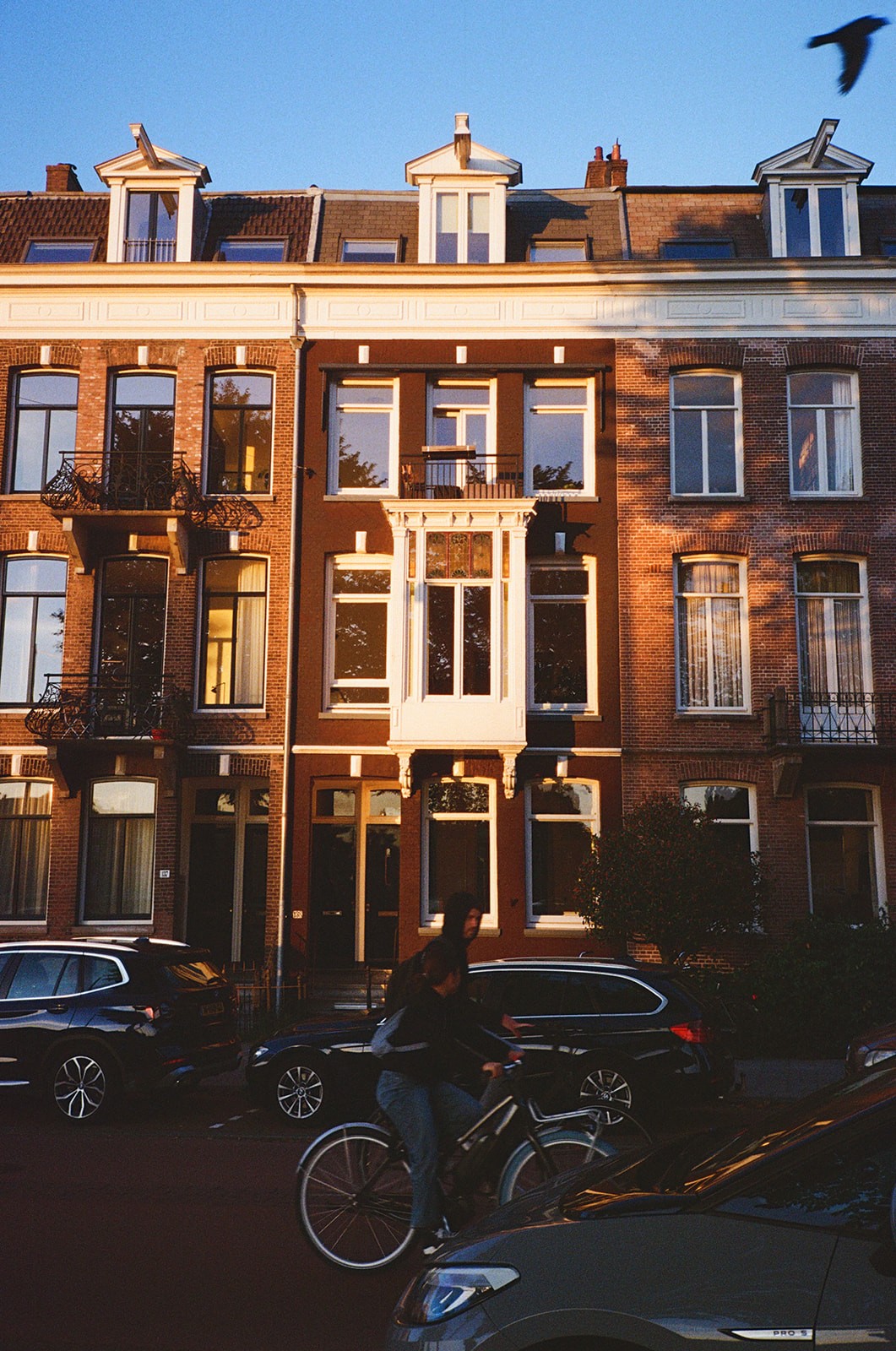
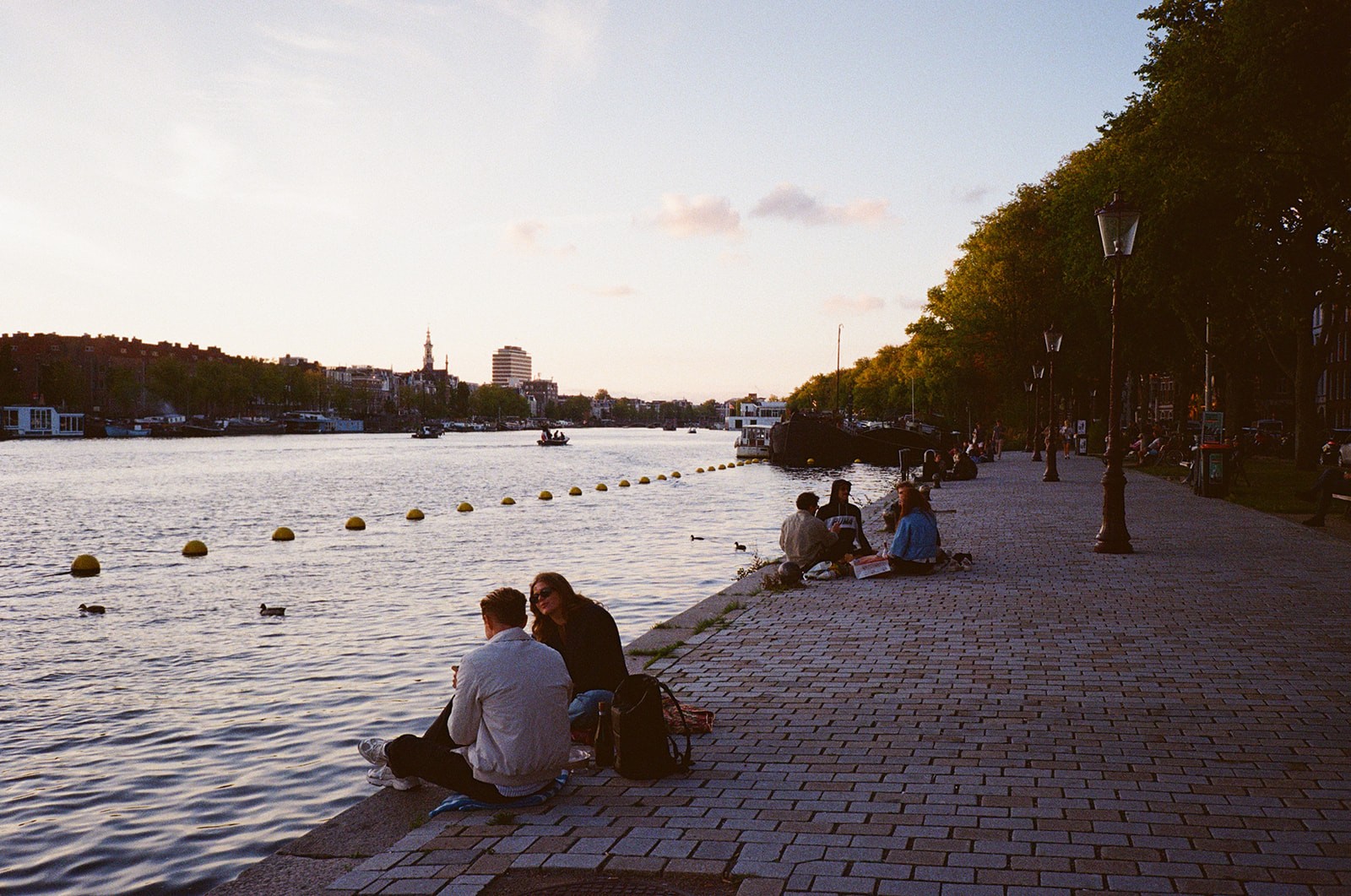
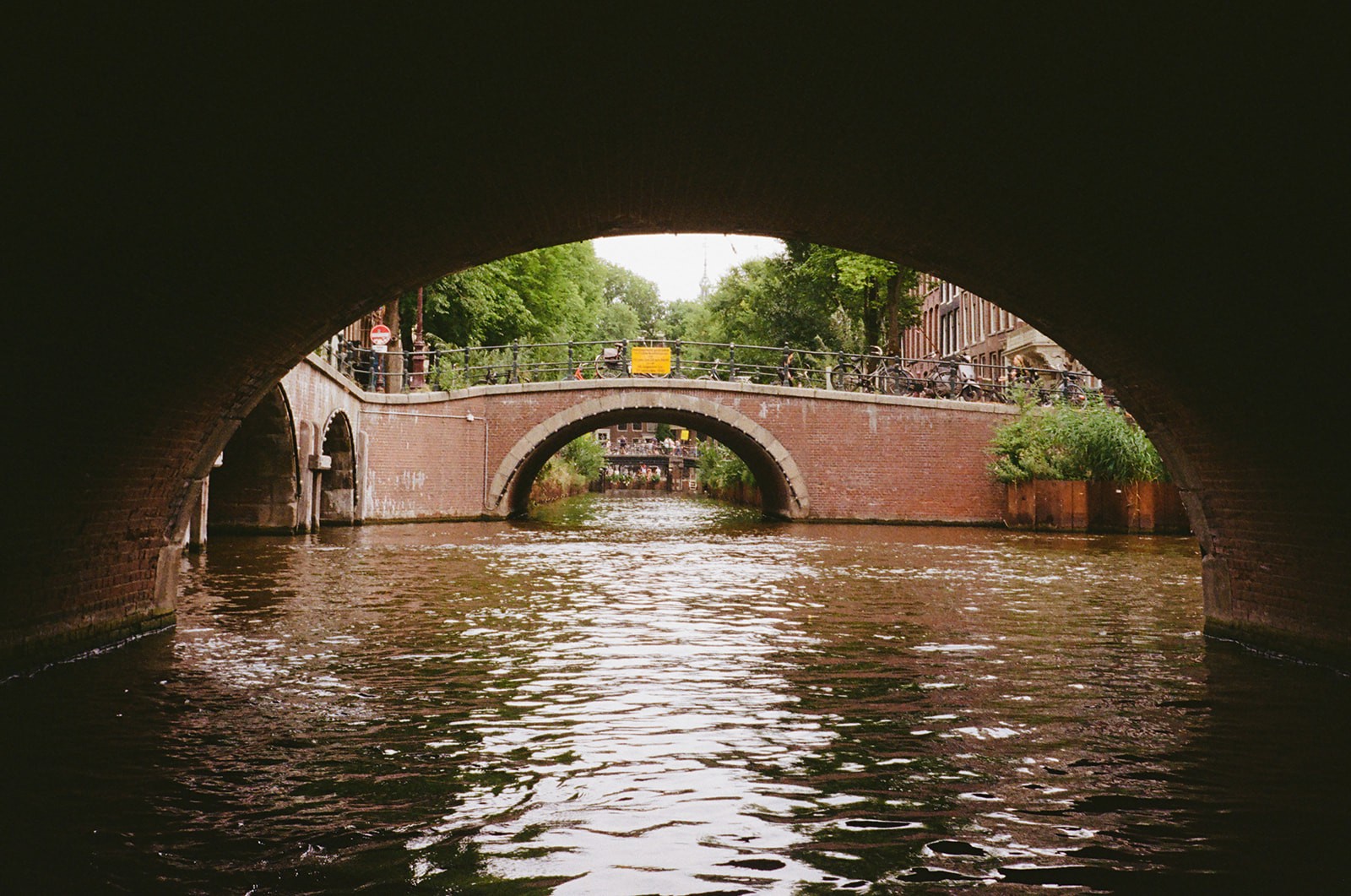
I'm an American photographer who built a studio in Miami, ran it for years, then fell hard for Amsterdam. Now I'm building my European chapter here, photographing couples who came from somewhere else, the way I did. I know the light on these canals. I know how a flat Dutch sky behaves on a face. And I know the questions you're asking right now, because I asked most of them myself when I moved, and the couples I talk with are still asking them. Let me walk you through how marrying here actually works. Then let's make it beautiful.
First, the lay of the land
One thing up front: I make photographs, not legal rulings. What follows is the map I've put together from my own move, the official sources linked below, and conversations with couples planning their day here. Your nationalities change the fine print, so your own gemeente gets the final word. Treat this as orientation, then confirm the route with them.
Now, the shape of it.
To marry legally in the Netherlands, at least one of you must be a Dutch national or live in the Netherlands. If you both live abroad and one of you is Dutch, you can still marry here; your notice then runs through the municipality of The Hague, and they ask you to start a few months ahead. If neither of you is Dutch and neither of you lives here, a legal marriage in the Netherlands is off the table. Plenty of international couples solve this cleanly. They handle the legal marriage back home, then come here for the celebration that actually feels like theirs.
Worth knowing too: Dutch law also offers a registered partnership, which carries nearly the same legal consequences as marriage and follows the same basic process.
Now, the shape of it.
To marry legally in the Netherlands, at least one of you must be a Dutch national or live in the Netherlands. If you both live abroad and one of you is Dutch, you can still marry here; your notice then runs through the municipality of The Hague, and they ask you to start a few months ahead. If neither of you is Dutch and neither of you lives here, a legal marriage in the Netherlands is off the table. Plenty of international couples solve this cleanly. They handle the legal marriage back home, then come here for the celebration that actually feels like theirs.
Worth knowing too: Dutch law also offers a registered partnership, which carries nearly the same legal consequences as marriage and follows the same basic process.
The paperwork, plainly
You file a notice of intent, the melding voorgenomen huwelijk, with the gemeente. Dutch law asks for at least two weeks between that notice and the ceremony, and the notice stays valid for a year. In practice, don't cut it close. Municipalities want your file complete well before the date, and couples giving notice from abroad through The Hague should count on a few months of lead time.
The document stack is more predictable than it looks. Expect a recent copy of your birth certificate, valid passports or IDs, and sometimes, if you've lived abroad, a certificate showing you're free to marry. If you're not a Dutch citizen, you'll also fill in a short personal declaration so your residence status can be confirmed; EU and EEA citizens don't need a residence permit for this.
Foreign documents need attention. Depending on the country that issued them, your papers will need an apostille or legalisation, which usually happens in the country of origin, and the rules differ country by country. Documents in Dutch, English, French, or German are generally accepted as they are; anything else needs a sworn translator. The exact stack depends on which passports you carry, so ask your gemeente for their specific list and start gathering early, ideally four to six months out. Paperwork is the one part of a wedding that rewards being boring and ahead of schedule.
The document stack is more predictable than it looks. Expect a recent copy of your birth certificate, valid passports or IDs, and sometimes, if you've lived abroad, a certificate showing you're free to marry. If you're not a Dutch citizen, you'll also fill in a short personal declaration so your residence status can be confirmed; EU and EEA citizens don't need a residence permit for this.
Foreign documents need attention. Depending on the country that issued them, your papers will need an apostille or legalisation, which usually happens in the country of origin, and the rules differ country by country. Documents in Dutch, English, French, or German are generally accepted as they are; anything else needs a sworn translator. The exact stack depends on which passports you carry, so ask your gemeente for their specific list and start gathering early, ideally four to six months out. Paperwork is the one part of a wedding that rewards being boring and ahead of schedule.
Two kinds of ceremony
There's the civil ceremony at the gemeente. A registrar, the trouwambtenaar, marries you, and this is the one that's legally binding. It can be a quiet thing at the town hall, or the whole event at a licensed location with everyone you love in the room. Costs scale with ambition. In Amsterdam, the city publishes its ceremony fees: a free ten-minute slot on certain weekday mornings, a modest fee for a short ceremony in the city's wedding hall, and higher rates for evenings, weekends, or a licensed external venue. Most municipalities work the same way, so check yours. And you don't need to speak Dutch. You can request an English-speaking registrar or bring a sworn interpreter.
Then there's the symbolic ceremony. It carries no legal weight, which means it's yours completely. Any words. Any officiant: a friend, a sibling, whoever knows you best. Any spot in this country you fall for. Many couples sign the legal documents quietly, sometimes at home, and pour everything into the celebration here. Both photograph beautifully. The second one just gives you more room to invent.
Then there's the symbolic ceremony. It carries no legal weight, which means it's yours completely. Any words. Any officiant: a friend, a sibling, whoever knows you best. Any spot in this country you fall for. Many couples sign the legal documents quietly, sometimes at home, and pour everything into the celebration here. Both photograph beautifully. The second one just gives you more room to invent.
When to come
May through September is your safest window. I have a soft spot for early September. The light goes warm and low, and the crowds thin out. Plan for rain no matter the month, because Dutch weather makes no promises.
Here's what most people don't expect. A flat grey sky is a gift. It wraps everyone in even, shadowless light. Kind to every face. No squinting, no harsh noon glare. Some of my favorite frames happen on the days a tourist would call disappointing. Trust me with the clouds.
Here's what most people don't expect. A flat grey sky is a gift. It wraps everyone in even, shadowless light. Kind to every face. No squinting, no harsh noon glare. Some of my favorite frames happen on the days a tourist would call disappointing. Trust me with the clouds.
Let's make it yours
You don't have to navigate this alone, and you don't have to lose the feeling of your wedding to a pile of forms. Tell me where you're coming from and what you're dreaming up. I'll meet you with the light here and a calm read on how your day can flow. Come tell me your plans. Start your inquiry, and we'll begin.
I'm an American photographer who built a studio in Miami, ran it for years, then fell hard for Amsterdam. Now I'm building my European chapter here, photographing couples who came from somewhere else, the way I did. I know the light on these canals. I know how a flat Dutch sky behaves on a face. And I know the questions you're asking right now, because I asked most of them myself when I moved, and the couples I talk with are still asking them. Let me walk you through how marrying here actually works. Then let's make it beautiful.
First, the lay of the land
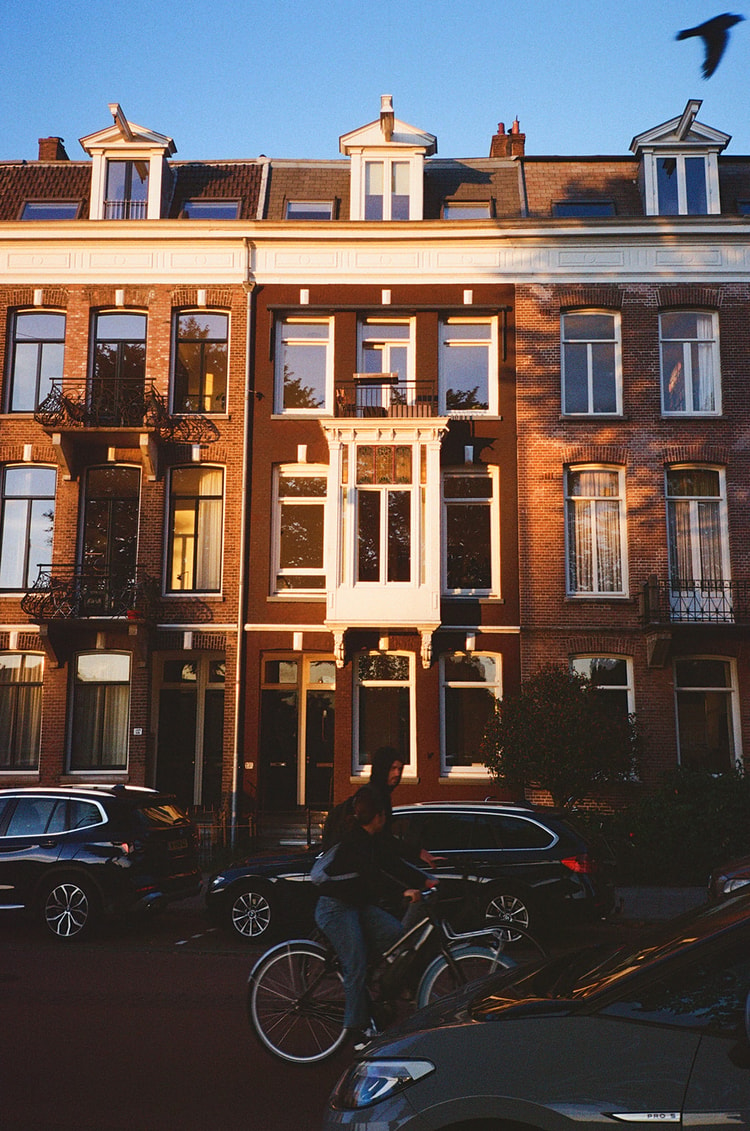
One thing up front: I make photographs, not legal rulings. What follows is the map I've put together from my own move, the official sources linked below, and conversations with couples planning their day here. Your nationalities change the fine print, so your own gemeente gets the final word. Treat this as orientation, then confirm the route with them.
Now, the shape of it.
To marry legally in the Netherlands, at least one of you must be a Dutch national or live in the Netherlands. If you both live abroad and one of you is Dutch, you can still marry here; your notice then runs through the municipality of The Hague, and they ask you to start a few months ahead. If neither of you is Dutch and neither of you lives here, a legal marriage in the Netherlands is off the table. Plenty of international couples solve this cleanly. They handle the legal marriage back home, then come here for the celebration that actually feels like theirs.
Worth knowing too: Dutch law also offers a registered partnership, which carries nearly the same legal consequences as marriage and follows the same basic process.
Now, the shape of it.
To marry legally in the Netherlands, at least one of you must be a Dutch national or live in the Netherlands. If you both live abroad and one of you is Dutch, you can still marry here; your notice then runs through the municipality of The Hague, and they ask you to start a few months ahead. If neither of you is Dutch and neither of you lives here, a legal marriage in the Netherlands is off the table. Plenty of international couples solve this cleanly. They handle the legal marriage back home, then come here for the celebration that actually feels like theirs.
Worth knowing too: Dutch law also offers a registered partnership, which carries nearly the same legal consequences as marriage and follows the same basic process.
The paperwork, plainly
You file a notice of intent, the melding voorgenomen huwelijk, with the gemeente. Dutch law asks for at least two weeks between that notice and the ceremony, and the notice stays valid for a year. In practice, don't cut it close. Municipalities want your file complete well before the date, and couples giving notice from abroad through The Hague should count on a few months of lead time.
The document stack is more predictable than it looks. Expect a recent copy of your birth certificate, valid passports or IDs, and sometimes, if you've lived abroad, a certificate showing you're free to marry. If you're not a Dutch citizen, you'll also fill in a short personal declaration so your residence status can be confirmed; EU and EEA citizens don't need a residence permit for this.
Foreign documents need attention. Depending on the country that issued them, your papers will need an apostille or legalisation, which usually happens in the country of origin, and the rules differ country by country. Documents in Dutch, English, French, or German are generally accepted as they are; anything else needs a sworn translator. The exact stack depends on which passports you carry, so ask your gemeente for their specific list and start gathering early, ideally four to six months out. Paperwork is the one part of a wedding that rewards being boring and ahead of schedule.
The document stack is more predictable than it looks. Expect a recent copy of your birth certificate, valid passports or IDs, and sometimes, if you've lived abroad, a certificate showing you're free to marry. If you're not a Dutch citizen, you'll also fill in a short personal declaration so your residence status can be confirmed; EU and EEA citizens don't need a residence permit for this.
Foreign documents need attention. Depending on the country that issued them, your papers will need an apostille or legalisation, which usually happens in the country of origin, and the rules differ country by country. Documents in Dutch, English, French, or German are generally accepted as they are; anything else needs a sworn translator. The exact stack depends on which passports you carry, so ask your gemeente for their specific list and start gathering early, ideally four to six months out. Paperwork is the one part of a wedding that rewards being boring and ahead of schedule.
Two kinds of ceremony
There's the civil ceremony at the gemeente. A registrar, the trouwambtenaar, marries you, and this is the one that's legally binding. It can be a quiet thing at the town hall, or the whole event at a licensed location with everyone you love in the room. Costs scale with ambition. In Amsterdam, the city publishes its ceremony fees: a free ten-minute slot on certain weekday mornings, a modest fee for a short ceremony in the city's wedding hall, and higher rates for evenings, weekends, or a licensed external venue. Most municipalities work the same way, so check yours. And you don't need to speak Dutch. You can request an English-speaking registrar or bring a sworn interpreter.
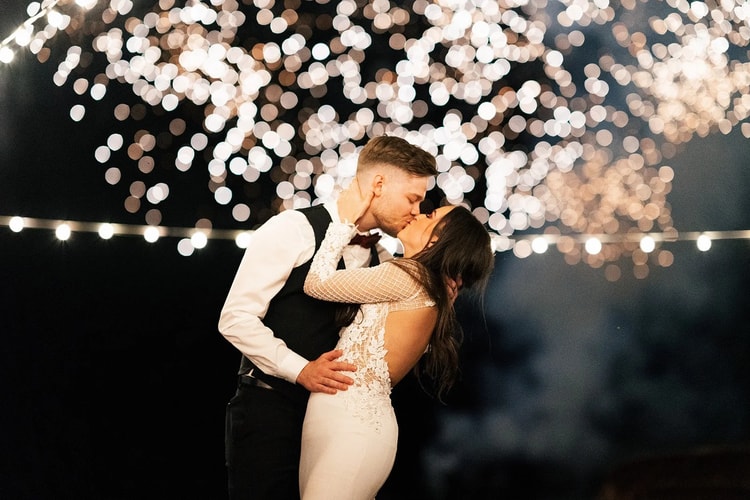
Then there's the symbolic ceremony. It carries no legal weight, which means it's yours completely. Any words. Any officiant: a friend, a sibling, whoever knows you best. Any spot in this country you fall for. Many couples sign the legal documents quietly, sometimes at home, and pour everything into the celebration here. Both photograph beautifully. The second one just gives you more room to invent.
Then there's the symbolic ceremony. It carries no legal weight, which means it's yours completely. Any words. Any officiant: a friend, a sibling, whoever knows you best. Any spot in this country you fall for. Many couples sign the legal documents quietly, sometimes at home, and pour everything into the celebration here. Both photograph beautifully. The second one just gives you more room to invent.
When to come
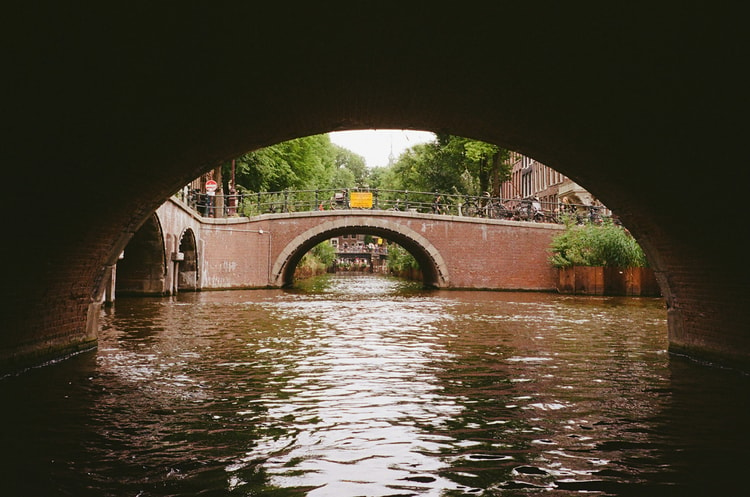
May through September is your safest window. I have a soft spot for early September. The light goes warm and low, and the crowds thin out. Plan for rain no matter the month, because Dutch weather makes no promises.
Here's what most people don't expect. A flat grey sky is a gift. It wraps everyone in even, shadowless light. Kind to every face. No squinting, no harsh noon glare. Some of my favorite frames happen on the days a tourist would call disappointing. Trust me with the clouds.
Here's what most people don't expect. A flat grey sky is a gift. It wraps everyone in even, shadowless light. Kind to every face. No squinting, no harsh noon glare. Some of my favorite frames happen on the days a tourist would call disappointing. Trust me with the clouds.
Let's make it yours
You don't have to navigate this alone, and you don't have to lose the feeling of your wedding to a pile of forms. Tell me where you're coming from and what you're dreaming up. I'll meet you with the light here and a calm read on how your day can flow. Come tell me your plans. Start your inquiry, and we'll begin.